
Choosing the right eCommerce platform is one of the most important steps in building a successful online business. In 2025, competition is fierce — from new startups to global brands, everyone needs a platform that’s secure, scalable, and easy to manage.
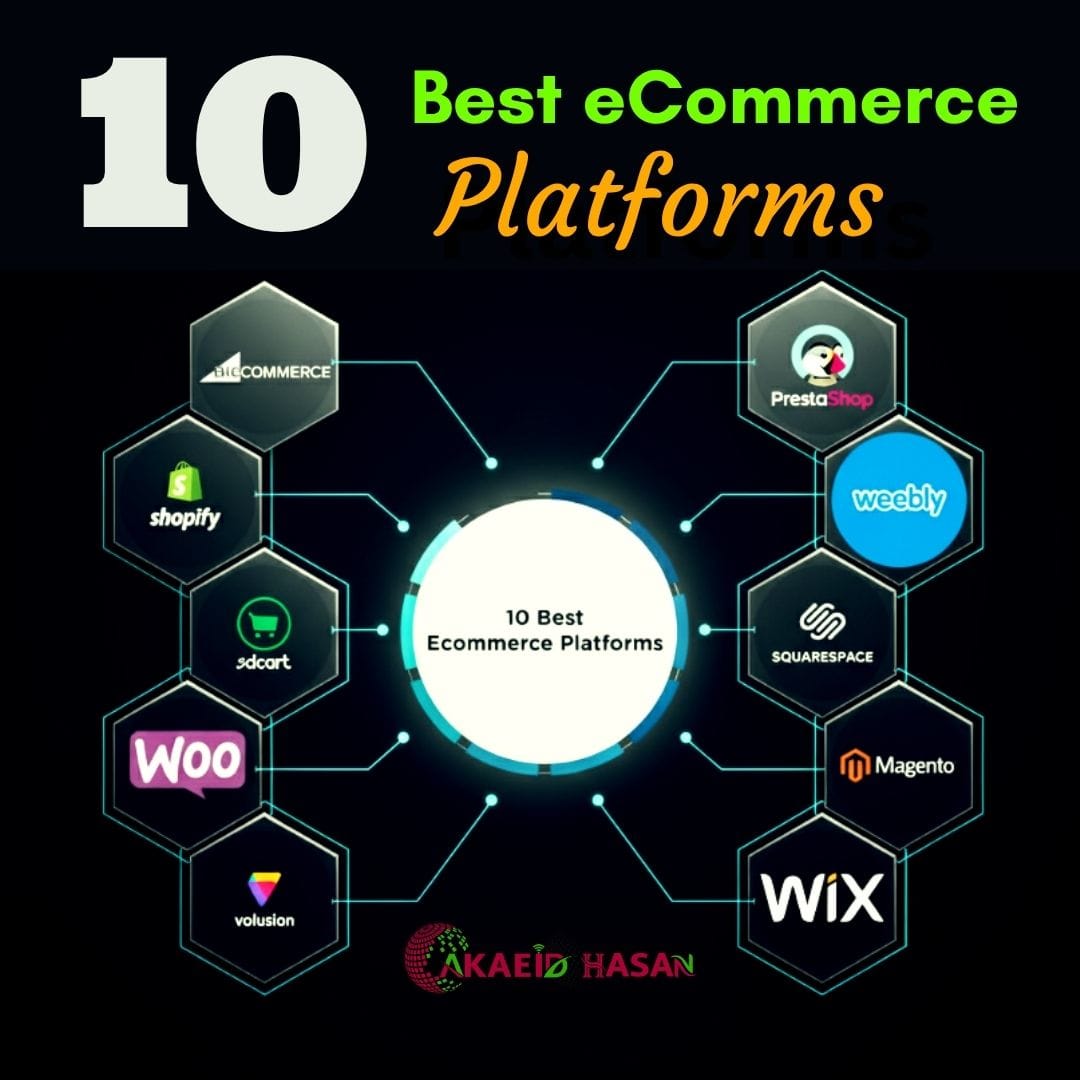
Here’s a detailed look at the 10 best eCommerce platforms for 2025, carefully chosen based on usability, features, pricing, and growth potential.
1. Shopify
Best for: Building and managing online stores of all sizes
Shopify continues to dominate the eCommerce world. It’s a hosted solution designed specifically for creating and running online stores — not general websites. It includes beautiful templates, built-in payment processing, and a massive app marketplace to extend functionality.
Pros:
Beginner-friendly setup
100+ professional themes
24/7 customer support
Cons:
Transaction fees unless using Shopify Payments
Limited design flexibility
2. WordPress
Best for: WordPress users who want full control
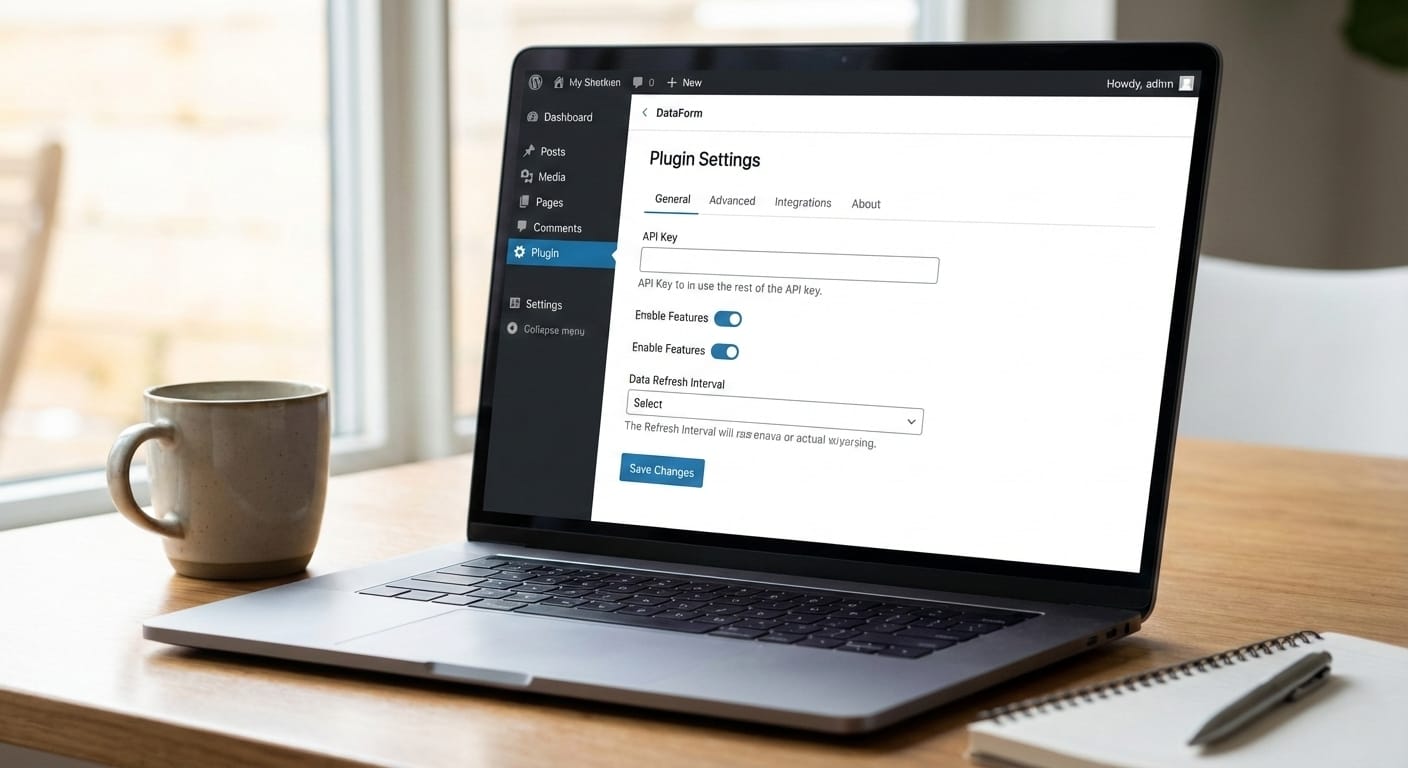
WooCommerce turns your WordPress site into a complete eCommerce store. It’s open-source, flexible, and gives you full ownership of your data — perfect for businesses that want maximum customization and SEO control.
Pros:
Free and open-source
Huge plugin and theme ecosystem
Full ownership of your store and data
Cons:
Requires WordPress hosting
Manual maintenance and updates
3. Wix eCommerce
Best for: Beginners and small businesses
Wix is ideal for users who want a simple drag-and-drop website builder. It offers sleek templates, built-in marketing tools, and affordable pricing — a great option for small businesses starting their first store.
Pros:
User-friendly editor
Affordable pricing plans
Built-in SEO tools
Cons:
Not ideal for large-scale stores
4. Squarespace
Best for: Creative brands and design-focused stores
Squarespace is known for its award-winning design templates and polished user experience. It’s the go-to platform for artists, fashion labels, photographers, and boutique brands.
Pros:
Visually stunning templates
Built-in analytics and marketing tools
Cons:
Limited third-party app integrations
5. BigCommerce
Best for: Growing and enterprise-level stores
BigCommerce is a robust platform built for growth. It offers advanced SEO tools, flexible APIs, and supports selling across multiple channels like Amazon, eBay, and social media.
Pros:
No transaction fees
Excellent SEO and analytics
Multi-channel selling
Cons:
Slightly higher pricing tiers
6. PrestaShop
Best for: Developers and tech-savvy users
PrestaShop is an open-source platform that gives developers complete control over customization and performance. It’s feature-rich and supported by a large global community.
Pros:
Open-source and free
Strong catalog management
Active developer community
Cons:
Technical setup required
7. Weebly
Best for: Simple, low-cost stores
Weebly (by Square) is one of the easiest tools for beginners. It offers a drag-and-drop builder, integrated payment processing, and affordable pricing — perfect for small stores and hobby sellers.
Pros:
Easy setup and low cost
Good customer support
Built-in Square payments
Cons:
Limited design flexibility
8. 3dcart (Shift4Shop)
Best for: Businesses needing advanced tools
Shift4Shop (formerly 3dcart) offers advanced SEO features, fast hosting, and powerful management tools for businesses ready to scale.
Pros:
No transaction fees
Dozens of payment gateways
Built-in CRM and email tools
Cons:
Slightly outdated interface
9. Magento (Adobe Commerce)
Best for: Enterprise and high-traffic businesses
Magento, now Adobe Commerce, is a premium-grade eCommerce platform designed for scalability. It’s packed with advanced features, integrations, and customization options, but it requires technical expertise to manage.
Pros:
Highly customizable and flexible
Handles large traffic volumes
Enterprise-level security
Cons:
Complex setup process
Higher development costs
10. Volusion
Best for: Mid-sized businesses
Volusion offers solid inventory and analytics tools, making it a good fit for mid-sized online stores. It’s straightforward to use but lacks some modern design options.
Pros:
Strong analytics and inventory control
Built-in marketing tools
Cons:
Outdated design templates
No built-in blogging option
Final Thoughts
The best eCommerce platform for your business depends on your goals, budget, and technical skills.
Shopify and BigCommerce are excellent for growing businesses that want all-in-one eCommerce solutions.
WooCommerce offers complete flexibility for WordPress users.
Squarespace and Wix are perfect for brands that value design and simplicity.
No matter which one you choose, each of these platforms provides a strong foundation to build, manage, and scale your online store in 2025.
Pro Tip:
Before making your choice, list the features that matter most — such as payment gateways, integrations, and marketing tools — to ensure you pick the perfect fit for your business.